



Our Blog
Helpful real estate info from the pros.

If You Like Boho Chic, You Will Love Organic Modern
According to interior design experts, organic modernism, often referred to as organic modern design, is a style that harmonizes the clean lines, sleek silhouettes, and functional layouts of mid-century modernism or minimalism with the raw, warm textures of...

How to Manage the Humidity Inside Your California Home
We recently worked with a homeowner who was getting ready to list their beautiful property near the coast. Everything looked perfect until we checked behind one of the drawers. Behind it, a small patch of mildew had started to take hold simply because the air...

Protecting Your Relationships When You Buy A Home Together
In North County, where the median home value is hovering around one million dollars, the dream of a white picket fence in Carlsbad or a beach cottage in Oceanside can feel a little out of reach for a single income. We recently worked with a pair of siblings who...

North County Neighborhoods Where You Can Finally Ditch the Car
Do you find yourself nowadays sitting in the drive-thru lane of a gas station, watching the price per gallon tick upward while your car idles away five dollars of fuel just waiting for a turn at the pump? These days, the car-dependent lifestyle is starting to...
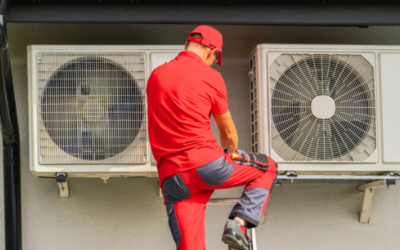
Why Your Air Conditioner is Leaking Cash
We recently had the pleasure of assisting a client in Escondido who was getting ready to list their home for sale. The property is charming, but they had informed us that they skipped their annual AC maintenance for a few years because the unit seemed to be...

Fire Zone Disclosures: Don’t Let Your San Diego Home Sale Go Up in Smoke
We recently worked with a seller who was absolutely ready to list their gorgeous ranch-style home in San Marcos. They had the staging perfect and the curb appeal was ten out of ten. But when we sat down to look at the new 2026 disclosure requirements, they...
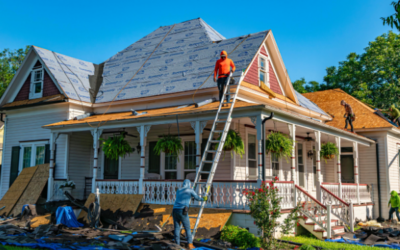
Is Buying a Fixer-Upper Actually a Great Move?
We have all seen those shows where a couple buys a disaster of a house and turns it into a coastal mansion in thirty minutes, including commercials. It looks so easy, and the profit margins at the end always seem like a dream. But in the 2026 North San Diego...

Home Maintenance Funny Fail Stories
We’ve all been there. It’s April 1st, and you’re bracing yourself for the classic office pranks or your kids’ latest "fake bug" trick. But in the world of North San Diego County real estate, some of the most memorable, and messy, pranks don’t come from people....
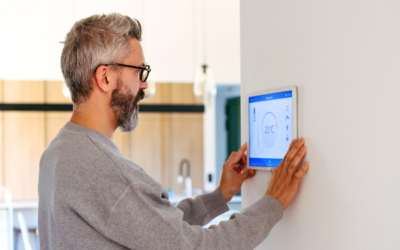
How to Keep Your Home Energy Bills Down
If you live in North San Diego County, you probably already know that energy bills can add up quickly. Between warmer summer days, cooler winter evenings, and the everyday reality of running a household, it is easy for those monthly numbers to creep higher than...
If You Like Boho Chic, You Will Love Organic Modern
According to interior design experts, organic modernism, often referred to as organic modern design, is a style that harmonizes the clean lines, sleek silhouettes, and functional layouts of mid-century modernism or minimalism with the raw, warm textures of...
How to Manage the Humidity Inside Your California Home
We recently worked with a homeowner who was getting ready to list their beautiful property near the coast. Everything looked perfect until we checked behind one of the drawers. Behind it, a small patch of mildew had started to take hold simply because the air...
Protecting Your Relationships When You Buy A Home Together
In North County, where the median home value is hovering around one million dollars, the dream of a white picket fence in Carlsbad or a beach cottage in Oceanside can feel a little out of reach for a single income. We recently worked with a pair of siblings who...
North County Neighborhoods Where You Can Finally Ditch the Car
Do you find yourself nowadays sitting in the drive-thru lane of a gas station, watching the price per gallon tick upward while your car idles away five dollars of fuel just waiting for a turn at the pump? These days, the car-dependent lifestyle is starting to...
Why Your Air Conditioner is Leaking Cash
We recently had the pleasure of assisting a client in Escondido who was getting ready to list their home for sale. The property is charming, but they had informed us that they skipped their annual AC maintenance for a few years because the unit seemed to be...
Fire Zone Disclosures: Don’t Let Your San Diego Home Sale Go Up in Smoke
We recently worked with a seller who was absolutely ready to list their gorgeous ranch-style home in San Marcos. They had the staging perfect and the curb appeal was ten out of ten. But when we sat down to look at the new 2026 disclosure requirements, they...
If You Like Boho Chic, You Will Love Organic Modern
According to interior design experts, organic modernism, often referred to as organic modern design, is a style that harmonizes the clean lines, sleek silhouettes, and functional layouts of mid-century modernism or minimalism with the raw, warm textures of...
How to Manage the Humidity Inside Your California Home
We recently worked with a homeowner who was getting ready to list their beautiful property near the coast. Everything looked perfect until we checked behind one of the drawers. Behind it, a small patch of mildew had started to take hold simply because the air...
Protecting Your Relationships When You Buy A Home Together
In North County, where the median home value is hovering around one million dollars, the dream of a white picket fence in Carlsbad or a beach cottage in Oceanside can feel a little out of reach for a single income. We recently worked with a pair of siblings who...