
We recently worked with a seller who was absolutely ready to list their gorgeous ranch-style home in San Marcos. They had the staging perfect and the curb appeal was ten out of ten. But when we sat down to look at the new 2026 disclosure requirements, they realized that a simple vent in their attic could make or break their entire escrow.
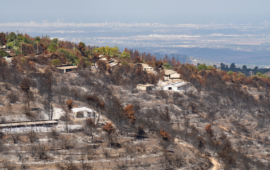
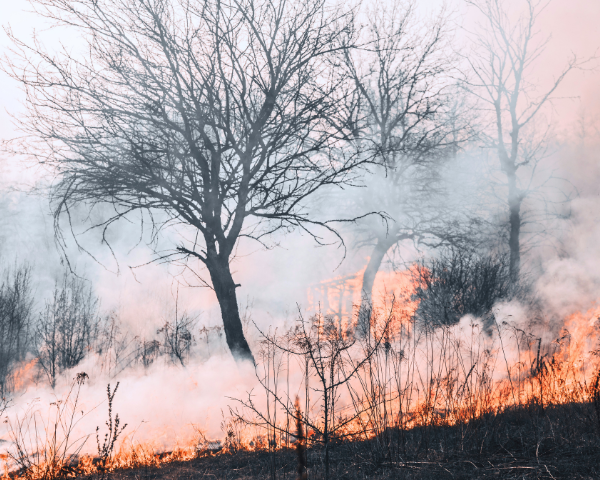
Wildfires are a shared reality of living in California and other parts of the country. You may recall in January 2025, when acres of land was impacted and forced 200,000+ people to be evacuated due to the wildfires in Los Angeles and San Diego areas.
As a brokerage that has navigated hundreds of these transactions across North County, we have seen how the landscape has shifted. Fire disclosures are arguably one of the most important paperworks both for sellers and buyers so they can stay protected and keep the deal on track.
Allot a Defensible Space, 5 Feet to Be Exact
The biggest change for homeowners is Assembly Bill 3074. This law significantly updated Section 51182 of the Government Code. It moved beyond the old 30-foot and 100-foot rules to introduce something called the ember-resistant zone.
This is known as Zone 0, the first five feet immediately surrounding your home. The science shows that most houses are lost to wind-blown embers, not a wall of flames. These embers land in mulch, dry leaves, or wood piles right against the house. According to the rulings in AB 3074, this zone must be clear of combustible materials. When we list a home in 2026, we walk the property with our sellers specifically to identify these Zone 0 red flags before the inspectors arrive.
CalFire has a great resource on practical ways to protect your home from wildfire.
Proper Documentation is a Must
Another critical piece of legislation is Senate Bill 911, a law that requires sellers of properties in High or Very High Fire Hazard Severity Zones to provide documentation of compliance with local defensible space ordinances.
This is not just a suggestion: it is a disclosure requirement. According to the California Legislative Information portal, this bill created a process where the seller must affirmatively state that the home is in compliance. If the home has not been inspected, the buyer and seller must agree on who will obtain the inspection and ensure the work is done.
When we represent buyers in North County, we look for the Fire-Hardening and Defensible Space Disclosure (FHDS) on day one. We want to know if the home has:
- Ember-resistant vents: These are specialized screens that block fire debris from entering the attic.
- Class A roofing: This is the highest fire rating for roof materials.
- Non-combustible gutters: This prevents dry leaves from becoming a fire starter.
What About Insurance?
We cannot talk about fire disclosures without mentioning insurance. In 2026, many carriers are using these very disclosures to determine if they will even offer a policy. A home that is not in compliance can be nearly impossible to insure, which can kill a deal for a buyer who needs a mortgage.
Because we are property managers and real estate experts, we understand both sides of this equation. We know what owners are looking for to protect their assets, and we know how to help tenants stay safe. By staying proactive with these disclosures, we help our clients maintain their property values and ensure a smoother closing process.
California’s fire laws are designed to save lives and homes, but they do add a layer of complexity to the real estate process. Having a team that understands the technicalities of the California Legislative Information codes is essential.
If you are thinking about selling your North County home and want to make sure you are fully compliant with the 2026 rules, we are here to help. Stay safe!