
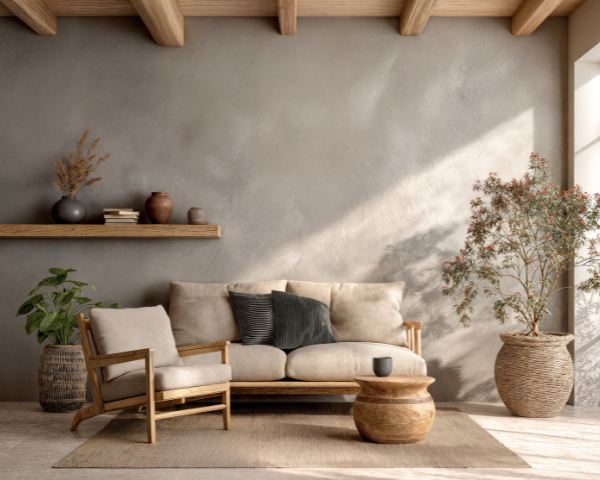
A cozy living room with a beige sofa, wooden chair, and small round table. Natural light illuminates plants and pottery, creating a serene, minimalist vibe.

According to interior design experts, organic modernism, often referred to as organic modern design, is a style that harmonizes the clean lines, sleek silhouettes, and functional layouts of mid-century modernism or minimalism with the raw, warm textures of nature.

Instead of feeling cold or stark like traditional minimalism, organic modernism introduces soft curves, earthy color palettes, and sustainable, unrefined materials to create spaces that feel elevated yet deeply inviting.


What the Experts Say

Designers and industry authorities define the style through a few key principles:


The balance of sleek and raw

According to Better Homes and Gardens, organic modern design is the perfect hybrid of sleek minimalism and earthy warmth. It trades the clutter of mass-produced decor for a clean, intentional look centered on quality. By mixing structured, manufactured elements with raw materials like stone, light wood, and natural linen, it strikes a beautiful balance between sophisticated luxury and everyday comfort.


A focus on intentional restraint

Renowned interior designer Jeremiah Brent frequently emphasizes that organic modernism is about editing. While older trends like boho chic relied on layering lots of “stuff” and busy patterns, organic modernism focuses on a few high-quality, sculptural pieces that give the eye room to rest.


Bringing the outdoors in

According to the design experts at Studio McGee, the style relies heavily on a nature-inspired palette. This means swapping out stark whites for warm creams, ochres, muted sages, and mushroom taupes, alongside raw woods like white oak and walnut.


Japandi Vs Wabi-Sabi Vs Organic Modernism

These three interior design styles are incredibly similar. In fact, they are all part of the same design family but they have distinct cultural roots and structural differences.


Think of them as cousins. They all love neutral palettes, natural materials, and minimalism, but they express those elements slightly differently.


They are incredibly similar—in fact, they are all part of the same design family—but they have distinct cultural roots and structural differences.

Think of them as cousins: they all love neutral palettes, natural materials, and minimalism, but they express those elements slightly differently.


Style Cultural Root Core Vibe Distinct Feature
Organic Modernism West Coast / California Sleek, sophisticated, and airy. Blends crisp modern lines with warm, raw natural luxury.
Japandi Japan + Scandinavia Functional, highly structured, and serene. Striking contrast between pale Nordic woods and dark Japanese tones.
Wabi-Sabi Traditional Japan Raw, rustic, weathered, and deeply spiritual. Celebrates imperfection, age, and asymmetrical asymmetry.


Copy the Interior Style Inspo


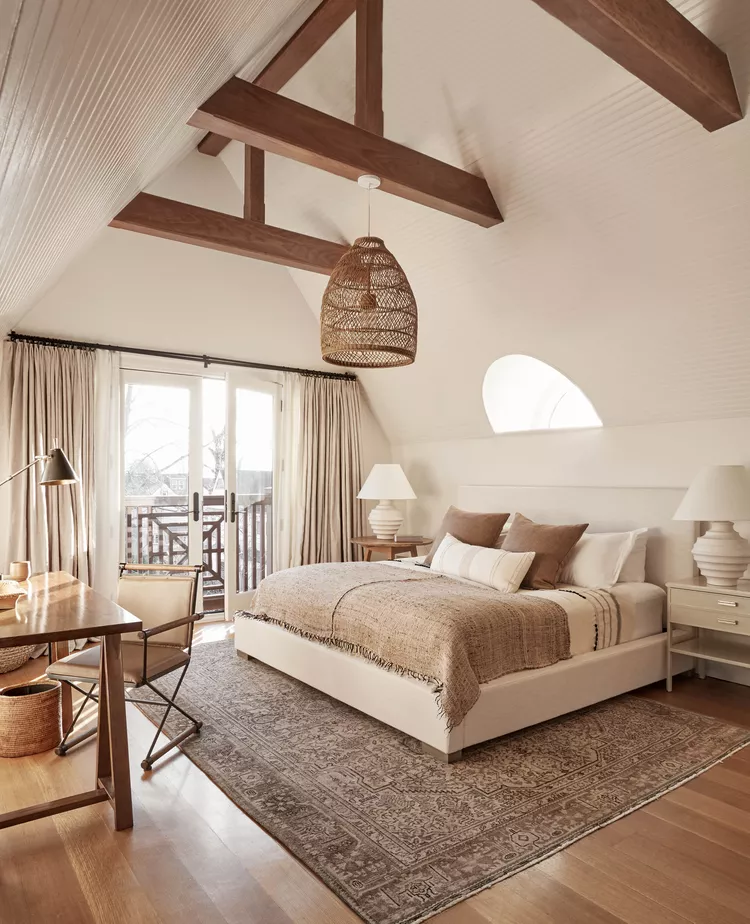
Image from Becca Interiors

Neutral Color Palette

An organic modern palette relies on rich, muddy neutrals like warm cream, oatmeal, mushroom taupe, and muted sage to lower visual noise and let the raw, natural textures of wood and stone take center stage.

Staircase Organic Modernism Pinterest

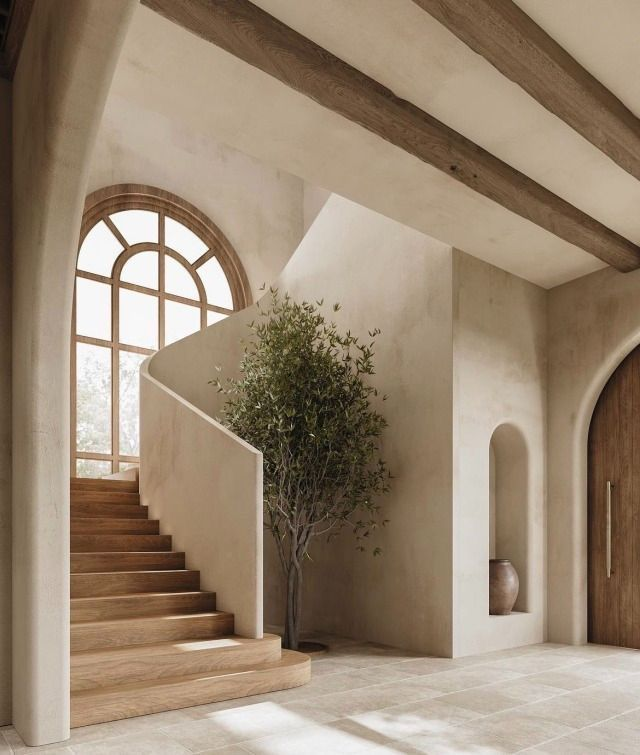
Image from Pinterest

Rounded shapes

Organic modernism uses soft curves, rounded furniture, and arched silhouettes to break up the sharp, rigid lines of a room, mimicking the gentle geometry of nature to make a sleek space feel instantly inviting. Softening the sharp angles of a room with curved sofas, round stone coffee tables, and arched doorways.
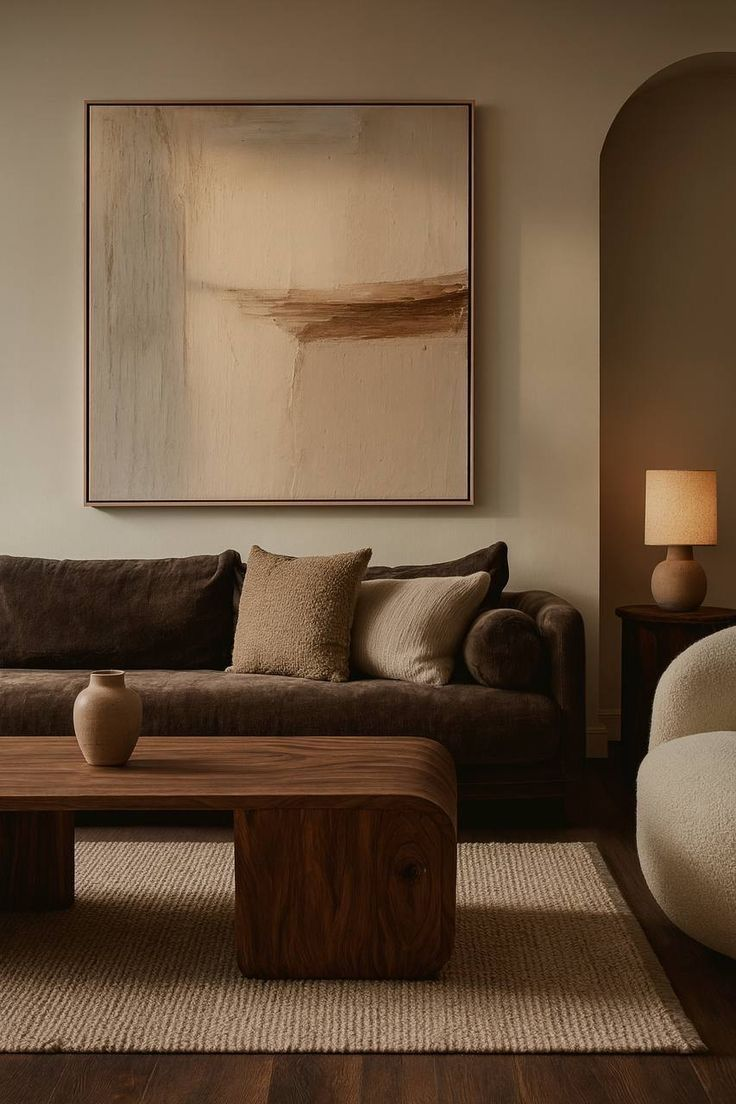
Staircase Organic Modernism Pinterest

Image from Pinterest

Natural Textures

Organic modernism trades busy patterns for high-texture materials such as nubby bouclé, chunky braided jute, and raw, visible wood grains, letting the physical feel of the room create depth and warmth without adding visual clutter.
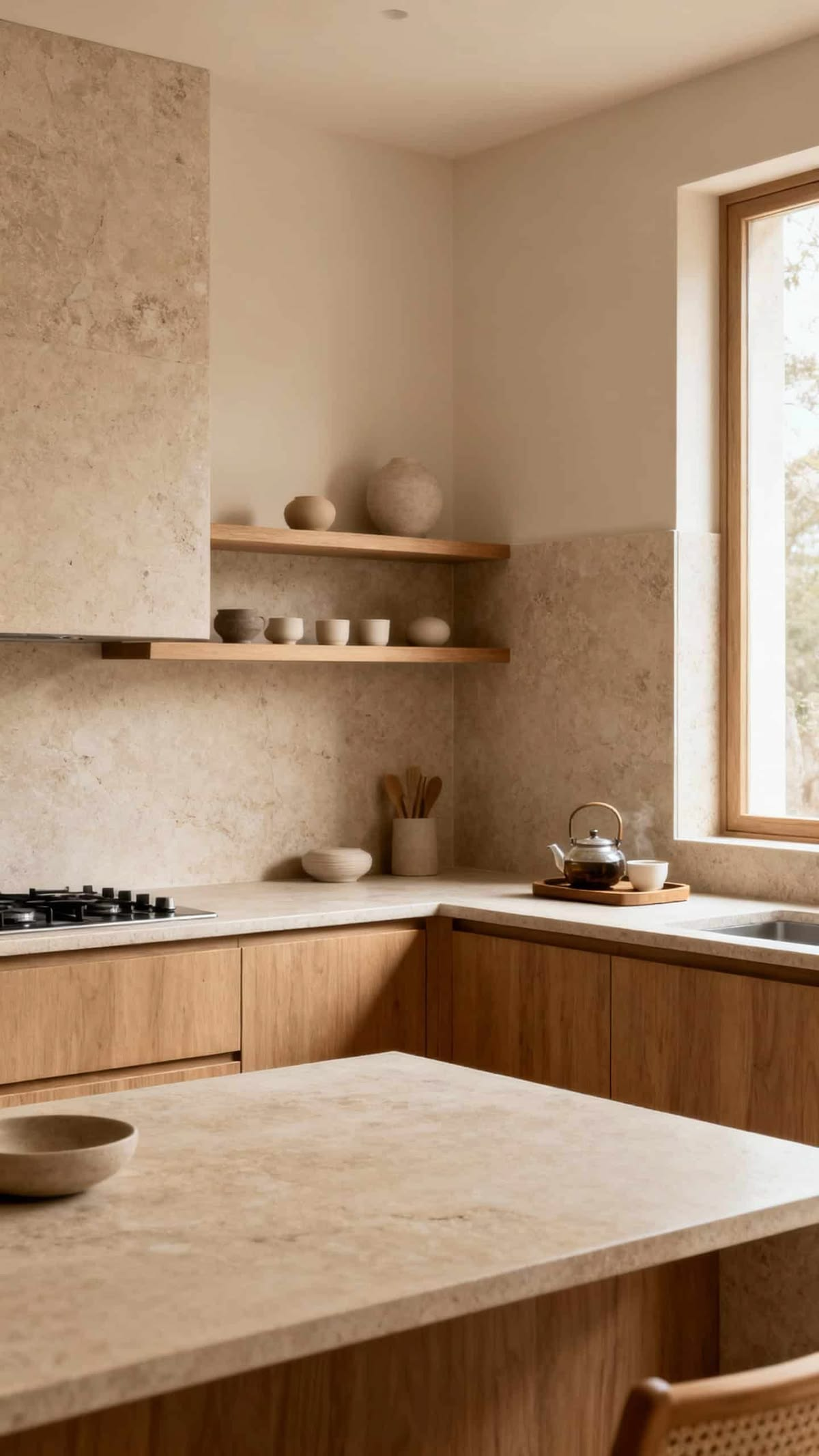
Staircase Organic Modernism Pinterest

If You Like Boho Chic, You Will Love Organic Modern


According to interior design experts, organic modernism, often referred to as organic modern design, is a style that harmonizes the clean lines, sleek silhouettes, and functional layouts of mid-century modernism or minimalism with the raw, warm textures of nature.

Instead of feeling cold or stark like traditional minimalism, organic modernism introduces soft curves, earthy color palettes, and sustainable, unrefined materials to create spaces that feel elevated yet deeply inviting.


What the Experts Say

Designers and industry authorities define the style through a few key principles:


The balance of sleek and raw

According to Better Homes and Gardens, organic modern design is the perfect hybrid of sleek minimalism and earthy warmth. It trades the clutter of mass-produced decor for a clean, intentional look centered on quality. By mixing structured, manufactured elements with raw materials like stone, light wood, and natural linen, it strikes a beautiful balance between sophisticated luxury and everyday comfort.


A focus on intentional restraint

Renowned interior designer Jeremiah Brent frequently emphasizes that organic modernism is about editing. While older trends like boho chic relied on layering lots of “stuff” and busy patterns, organic modernism focuses on a few high-quality, sculptural pieces that give the eye room to rest.


Bringing the outdoors in

According to the design experts at Studio McGee, the style relies heavily on a nature-inspired palette. This means swapping out stark whites for warm creams, ochres, muted sages, and mushroom taupes, alongside raw woods like white oak and walnut.


Japandi Vs Wabi-Sabi Vs Organic Modernism

These three interior design styles are incredibly similar. In fact, they are all part of the same design family but they have distinct cultural roots and structural differences.


Think of them as cousins. They all love neutral palettes, natural materials, and minimalism, but they express those elements slightly differently.


They are incredibly similar—in fact, they are all part of the same design family—but they have distinct cultural roots and structural differences.

Think of them as cousins: they all love neutral palettes, natural materials, and minimalism, but they express those elements slightly differently.


Style Cultural Root Core Vibe Distinct Feature
Organic Modernism West Coast / California Sleek, sophisticated, and airy. Blends crisp modern lines with warm, raw natural luxury.
Japandi Japan + Scandinavia Functional, highly structured, and serene. Striking contrast between pale Nordic woods and dark Japanese tones.
Wabi-Sabi Traditional Japan Raw, rustic, weathered, and deeply spiritual. Celebrates imperfection, age, and asymmetrical asymmetry.


Copy the Interior Style Inspo


Image from Becca Interiors

Neutral Color Palette

An organic modern palette relies on rich, muddy neutrals like warm cream, oatmeal, mushroom taupe, and muted sage to lower visual noise and let the raw, natural textures of wood and stone take center stage.


Image from Pinterest

Rounded shapes

Organic modernism uses soft curves, rounded furniture, and arched silhouettes to break up the sharp, rigid lines of a room, mimicking the gentle geometry of nature to make a sleek space feel instantly inviting. Softening the sharp angles of a room with curved sofas, round stone coffee tables, and arched doorways.


Image from Pinterest

Natural Textures

Organic modernism trades busy patterns for high-texture materials such as nubby bouclé, chunky braided jute, and raw, visible wood grains, letting the physical feel of the room create depth and warmth without adding visual clutter.


Image from Pinterest

Negative space

Allowing areas of the room to remain empty so that the natural light and the architectural lines of the home can take center stage.


Sources

If You Like Boho Chic, You Will Love Organic Modern


According to interior design experts, organic modernism, often referred to as organic modern design, is a style that harmonizes the clean lines, sleek silhouettes, and functional layouts of mid-century modernism or minimalism with the raw, warm textures of nature.

Instead of feeling cold or stark like traditional minimalism, organic modernism introduces soft curves, earthy color palettes, and sustainable, unrefined materials to create spaces that feel elevated yet deeply inviting.


What the Experts Say

Designers and industry authorities define the style through a few key principles:


The balance of sleek and raw

According to Better Homes and Gardens, organic modern design is the perfect hybrid of sleek minimalism and earthy warmth. It trades the clutter of mass-produced decor for a clean, intentional look centered on quality. By mixing structured, manufactured elements with raw materials like stone, light wood, and natural linen, it strikes a beautiful balance between sophisticated luxury and everyday comfort.


A focus on intentional restraint

Renowned interior designer Jeremiah Brent frequently emphasizes that organic modernism is about editing. While older trends like boho chic relied on layering lots of “stuff” and busy patterns, organic modernism focuses on a few high-quality, sculptural pieces that give the eye room to rest.


Bringing the outdoors in

According to the design experts at Studio McGee, the style relies heavily on a nature-inspired palette. This means swapping out stark whites for warm creams, ochres, muted sages, and mushroom taupes, alongside raw woods like white oak and walnut.


Japandi Vs Wabi-Sabi Vs Organic Modernism

These three interior design styles are incredibly similar. In fact, they are all part of the same design family but they have distinct cultural roots and structural differences.


Think of them as cousins. They all love neutral palettes, natural materials, and minimalism, but they express those elements slightly differently.


They are incredibly similar—in fact, they are all part of the same design family—but they have distinct cultural roots and structural differences.

Think of them as cousins: they all love neutral palettes, natural materials, and minimalism, but they express those elements slightly differently.


Style Cultural Root Core Vibe Distinct Feature
Organic Modernism West Coast / California Sleek, sophisticated, and airy. Blends crisp modern lines with warm, raw natural luxury.
Japandi Japan + Scandinavia Functional, highly structured, and serene. Striking contrast between pale Nordic woods and dark Japanese tones.
Wabi-Sabi Traditional Japan Raw, rustic, weathered, and deeply spiritual. Celebrates imperfection, age, and asymmetrical asymmetry.


Copy the Interior Style Inspo


Image from Becca Interiors

Neutral Color Palette

An organic modern palette relies on rich, muddy neutrals like warm cream, oatmeal, mushroom taupe, and muted sage to lower visual noise and let the raw, natural textures of wood and stone take center stage.


Image from Pinterest

Rounded shapes

Organic modernism uses soft curves, rounded furniture, and arched silhouettes to break up the sharp, rigid lines of a room, mimicking the gentle geometry of nature to make a sleek space feel instantly inviting. Softening the sharp angles of a room with curved sofas, round stone coffee tables, and arched doorways.


Image from Pinterest

Natural Textures

Organic modernism trades busy patterns for high-texture materials such as nubby bouclé, chunky braided jute, and raw, visible wood grains, letting the physical feel of the room create depth and warmth without adding visual clutter.


Image from Pinterest

Negative space

Allowing areas of the room to remain empty so that the natural light and the architectural lines of the home can take center stage.


Sources