

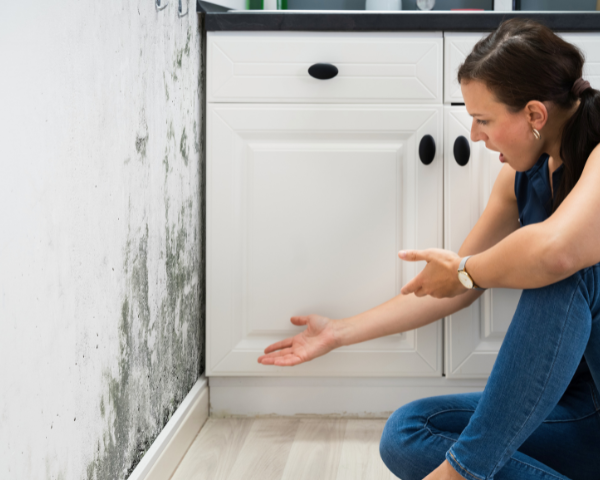
We recently worked with a homeowner who was getting ready to list their beautiful property near the coast. Everything looked perfect until we checked behind one of the drawers. Behind it, a small patch of mildew had started to take hold simply because the air could not circulate against the cool, damp exterior wall. It was a stressful discovery for the owners, but it served as a great reminder that even the most well-kept homes in North County are at the mercy of humidity.
San Diego climate is beautiful, but it comes with unique challenges. Here is how you can stop your leather jackets from growing a science project, manage mold and mildew and keep your home healthy.
Keeping your North County home fresh and mold-free all year long
Understanding moisture in your home
One of the trickiest parts about mold is that it does not always announce itself with a big, dark stain on the wall. We generally categorize mold into two types: the visible and the hidden.
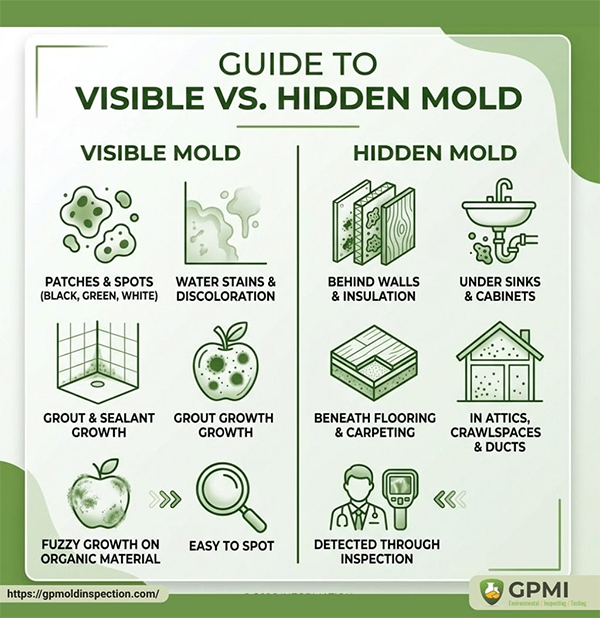
Visible mold is the obvious stuff: the ones that look like small clusters of black, green, or even fuzzy white spots. You will often find it in corners of the bathroom, along window sills, or on baseboards where moisture pools.
Hidden mold is much more “stealthy.” This is the mold that grows behind your drywall, under your floorboards, or inside your HVAC ducts. In 2026, we are seeing more homeowners use tools like thermal imaging cameras to find cold, wet spots behind walls before the mold even becomes visible. If you notice bubbling wallpaper, peeling paint, or a persistent earthy smell that you just cannot scrub away, you likely have mold hiding out of sight.
In cities like Oceanside and Solana Beach, the ocean breeze is a luxury, but it also carries a lot of salt and moisture. During April or May, that heavy air can get trapped inside your home. If your indoor humidity consistently stays high, mold can begin to grow on porous surfaces like drywall, wood, and even your favorite leather jackets in the back of the closet.
We always recommend that our homeowners invest in a simple hygrometer. These are inexpensive little devices that tell you exactly what the humidity level is inside your house. If you see that number climbing toward 60%, it is time to take action. Keeping your indoor air between 30-50% is the sweet spot for a fresh-smelling, mold-free environment.
Common Molds and Mildew Locations
The Kitchen
- Under the kitchen sink
- Refrigerator drip pan
- Dishwasher door seals
- Behind the stove
- Back of pantry shelves
The Bathroom
- Shower grout and caulking
- Area behind the toilet
- Inside the bathroom vanity
- Toothbrush holders
- Exhaust fan covers
Bedrooms and Closets
- Windowsills and frames
- Back walls of closets
- Flooring under the bed
- Behind headboards and armoires
Laundry and Mechanical
- Front-loading washing machine gaskets
- Dryer vents
- HVAC drip pans
- Pipes around the water heater
Storage and Foundation
- Attic vents and chimney flashing
- Crawl spaces
- Basement walls
- Garage corners and concrete floors
Simple habits to dry things out
One of the biggest pain points we see is moisture buildup in bathrooms and kitchens. We encourage everyone to run their exhaust fans for at least 20 minutes after a shower. If your fan is old or noisy, it might be time for an upgrade. A high-efficiency fan can pull that steam out before it has a chance to settle on your ceiling and baseboards.
Airflow is your best friend. Even on those foggy mornings, opening windows on opposite sides of the house for just ten minutes can create a cross-breeze that flushes out stagnant, humid air. We also suggest pulling furniture a few inches away from exterior walls. This small gap allows air to circulate and prevents condensation from forming in those dark, hidden spots where mildew loves to hide.
Managing the hidden culprits
Sometimes the moisture is coming from where you least expect it. We often find that overgrown landscaping is a major contributor to dampness. When bushes or trees are touching the side of your house, they trap moisture against the stucco and prevent the sun from drying out your walls. Keeping your plants trimmed back at least 12 inches from the exterior of your home is a simple way to protect your foundation and your air quality.
If you have a particularly damp area, like a laundry room or a basement-level garage, a dehumidifier is worth its weight in gold. In 2026, there are many energy-efficient models that can be programmed to run only when the humidity hits a certain level. It is a small investment that can save you thousands of dollars in remediation costs down the road.
Steps to Preventing and Managing Molds in Your Home
If you do find a damp spot or a patch of mildew, do not panic. We have found that a calm, methodical approach is the best way to get your home back to its best state. Here is our simple checklist for addressing these issues:
- Stop the water at its source. Whether it is a leaky pipe under the sink or a window that is not sealing correctly against the sea spray, you have to fix the leak first. If the moisture keeps coming, the mold will keep returning.
- Dry it out fast. Mold loves a 48-hour window. If you have a spill or a leak, you need to get it bone-dry within two days. Use a wet vacuum, high-powered fans, and a dehumidifier to pull every last drop of moisture out of the air and the floor.
- Know when to clean and when to toss. Non-porous surfaces like tile, metal, and glass can usually be scrubbed clean with a little detergent and water. However, if mold has moved into porous materials like drywall, carpet, or ceiling tiles, they usually need to be removed and replaced to be safe.
- Boost your airflow. We cannot emphasize this enough. Open those windows for a cross-breeze and make sure your furniture is pushed a few inches away from the walls. This simple change can prevent the stagnant, damp air that mold thrives on.
- Call in the pros for big jobs. If the moldy area is larger than about ten square feet (roughly the size of a dinner plate), it is time to bring in a professional remediation team. They have the gear to ensure spores do not spread to the rest of your house during the cleanup.
Why a dry home is a valuable home
We know that nothing kills a real estate deal faster than the “M-word.” When buyers walk into a home and smell dampness, they immediately start thinking about hidden costs and health risks. By staying on top of your home’s moisture levels now, you are not just making your life more comfortable: you are preserving your home’s resale value.
We take pride in helping our neighbors in North County maintain properties that they are proud of. Whether you are living in your forever home or looking to get it ready for the market, understanding the local climate is the key to success.
Find this helpful? Explore more home upkeep and real estate tips in our blog.
Sources:
“DIY Mold Removal vs. Professional Remediation.” W.B. Arthur, Feb. 2026, wbarthur.com/news-tips-tricks/2026/02/diy-mold-removal-vs-professional-remediation/.
“Mold in California: A Guide to Identification, Health Risks, and Professional Remediation.” CVE Corp, cvecorp.com/mold-in-california-a-guide-to-identification-health-risks-and-professional-remediation/.
“The Sweet Spot: Finding the Right Humidity Level for Healthy Indoor Air.” uHoo, getuhoo.com/blog/home/the-sweet-spot-finding-the-right-humidity-level-for-healthy-indoor-air/.
“Types of Fungus & Mold in California Homes: Complete Guide to Identification, Removal, & Prevention (2026).” Westfield Termite & Pest Control, 2026, cawestfieldtermite.com/types-of-fungus-mold-in-california-homes-complete-guide-identification-removal-prevention-2026/.