

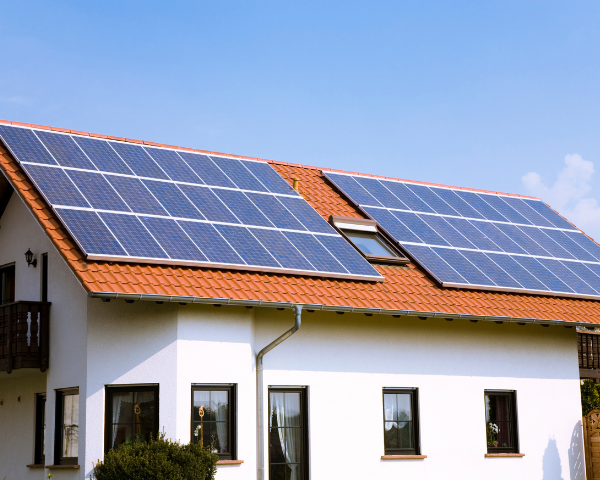
We worked with a homeowner in San Marcos who had been on the fence about solar for three years. By the time they decided to sell, buyers were comparing their home to one down the street that had solar and lower utility bills. The competing home sold faster and for more. Our homeowner left money on the table.
Every few weeks, we talk to a homeowner who has been “thinking about solar” for two or three years. They want to do it. They just can’t figure out who to believe, what it actually costs, or whether it will pay off when they eventually sell.
What to Consider
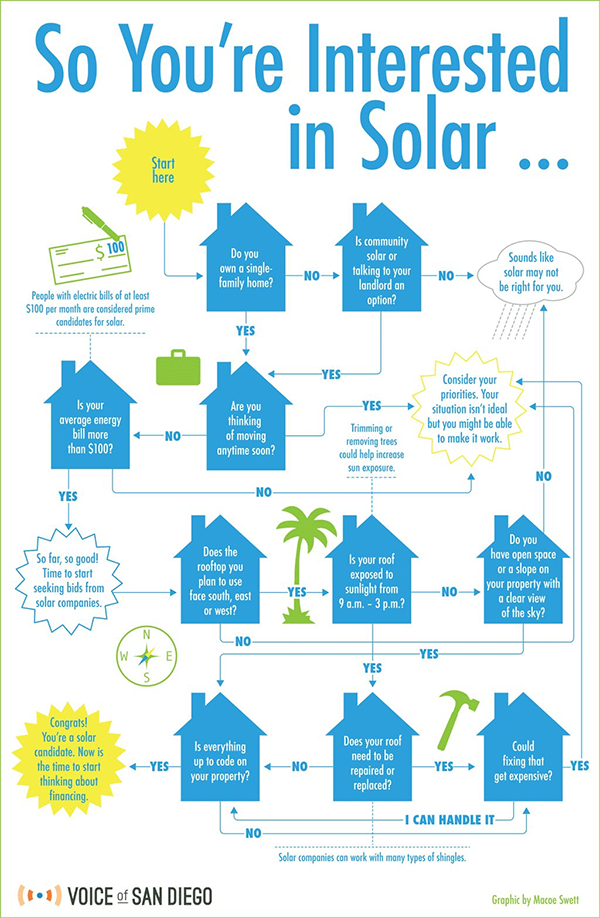
Image from Voice of San Diego
What It Costs Right Now
According to Energy Sage, as of September 2026, you’ll pay an average of $21,028 to install a 8.35 kilowatt (kW) solar panel system in California before any available incentives. That’s for an average-sized system. Smaller homes pay less, larger homes may pay more.
The number that shocks most people: the 30% federal tax credit is gone. The residential Investment Tax Credit expired on December 31, 2025. Systems installed in 2026 no longer qualify. If your neighbor got 30% back, they installed before the deadline. That window has closed.
What Incentives Are Still Available
California Property Tax Exclusion. California does not reassess your property taxes when you add solar. Even if your home’s value goes up because of the panels, your tax bill stays the same. This exclusion is currently set to expire January 1, 2027,so homeowners who install before then lock it in.
SGIP Battery Rebate. California’s SGIP program offers $150 per kilowatt-hour toward battery storage. If you’re adding a battery to your system (which most experts recommend under the current net metering rules), this helps offset that cost.
RSSE Program for Lower-Income Households. The Residential Solar and Storage Equity program, funded with $280 million in state money, offers up to $3,100 per kilowatt for solar and $1,100 per kilowatt-hour for battery storage, and can cover 100% of costs for qualifying households at or below 80% of the Area Median Income. If you’re enrolled in CARE or FERA, look into this one seriously.
Leases and PPAs still carry some federal benefit. Solar companies that own the equipment can still claim the commercial tax credit and may pass savings along through lower monthly payments. Just know what you’re trading away when you go that route (more on that below).
Buying vs. Leasing: This Matters More Than You Think
When you buy the system, you own it. You get the incentives, the savings, and the home value increase when you sell.
When you lease, the solar company owns the panels. You pay a monthly fee. No upfront cost, which sounds appealing, but the lease stays attached to the home for 20 to 25 years. When you sell, the buyer either takes it over or you buy it out before closing. That’s a complication that owned systems simply don’t have.
Owned solar adds 5 to 10% to a California home’s value. Leased systems show no measurable impact on resale price. On a $900,000 home, 5% is $45,000. That difference is worth understanding before you sign anything.
Does Solar Actually Pay Off?
Yes, in California especially.
The average California homeowner pays about $219 a month for electricity. A typical solar system pays for itself in 8 to 9 years and can deliver over $120,000 in savings over 25 years.
Even without the federal tax credit, California solar still pays back in about 5 to 7 years in many cases, because of the state’s high electricity rates and year-round sunshine. SDG&E rates are among the highest in the country. That actually works in your favor here.
Before You Sign Anything, Ask These Questions
- Am I buying or leasing? Know the difference.
- What size system do I actually need based on my real utility bills?
- Do I qualify for SGIP or RSSE rebates?
- What are the panel and workmanship warranties?
- Does my HOA have a solar approval process?
- If I sell in the next 5 to 10 years, how does this affect the transaction?
That last one is where we come in. Solar is a great upgrade for many San Diego homeowners. But how you structure it matters enormously for what happens when you eventually sell or rent out the property.
Now, not every situation is the same. But the pattern is consistent. The homeowners who wish they had gone solar sooner far outnumber the ones who regret it.
We help homeowners across North County San Diego make smart decisions in property management, home sale, and short sale. If you’re thinking about solar and also thinking about your home’s future, we’d love to be part of that conversation, just honest advice from people who know this market.